
cardigan sweater manufacturer Guide for Fashion Brands
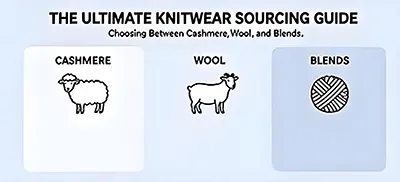
The Ultimate Knitwear Sourcing Guide: Choosing Between Cashmere, Wool, and Blends
To be honest,when you’re planning a Fall/Winter ‘26 knitwear collection, the real headache isn’t the silhouette—it’s that little composition label on the back. Get that wrong, and your beautiful design ends up either priced out of the market or coming back as a customer service nightmare. Here’s the thing: picking fibers isn’t just about how something feels in your hand at a trade show. It’s about retail math, how that sweater holds up after a season of wear. I’ve put together a no-nonsense breakdown on how to navigate the fiber landscape for ‘26. Think of it as your cheat sheet for balancing that luxury look with a P&L that actually works. The Real Cost of “Cloud-Soft” (100% Cashmere) Let’s get one thing straight. In the world of cashmere vs. wool vs. blends, 100% cashmere still sits at the top of the pyramid. And for good reason. The magic is in the math. We’re talking fiber diameters typically under 15.5 microns . To put that in perspective, high-quality merino wool lives in the 18-20 micron range. That tiny difference? That’s the difference between a fabric that feels like a cloud and one that feels… well, like a nice sweater. For brands playing in the “quiet luxury” or “timeless classic” space, pure cashmere is your ticket to that high-end price point. The key, from a technical standpoint, is pairing that super-fine fiber with good anti-pilling finishing. Yeah, it might pill a little initially—it’s a delicate fiber—but the right spinning technique, something an experienced sweater manufacturer knows how to execute, keeps it soft without it falling apart after three wears. The Pragmatist’s Choice: Wool & Strategic Blends Now, I love cashmere. But if you’re designing for commuters who wear their sweaters under a seatbelt five days a week, 100% cashmere might not be your best friend. This is where blends get interesting. They’re the workhorses of a collection. There’s a common fear in this industry: the dreaded pilling. I’ve seen buyers panic when their first sample arrives with fuzz. But here’s a pro tip from the supply chain: avoid the 30/70 blend zone. Instead, stick to strategic mixes like 90/10 (Wool/Cashmere) or 70/30 . A Wool + Nylon combo? That’s your durability play. It resists wrinkles and holds up to abrasion like a champ. A Cashmere + Silk blend? That’s for the designers who want that liquid drape and a subtle sheen. It’s about using science—specifically, fiber diameter and tensile strength—to solve real-world problems like shrinkage and wear-and-tear before they hit your customer service inbox. 2026 Reality Check: It’s Not “Nice to Have” Anymore If you’ve been in a European market recently, you know what I’m talking about. Sustainability isn’t a marketing angle anymore. It’s the entry fee. For 2026, if you don’t have RWS (Responsible Wool Standard) or GOTS in your supply chain, you’re going to have a hard time getting shelf space in the major retailers. It’s that simple. But here’s the silver lining. This isn’t just a cost burden. From a sourcing strategy perspective, these certifications give you pricing power. We’re seeing a 10% to 20% premium on retail items that carry the RWS label. There’s also a massive push toward Recycled Cashmere and bio-based blends. The Pricing Matrix: How to Structure Your Line Let’s talk money. This is where theory meets reality. Right now, the raw material cost for pure cashmere is roughly 7 to 8 times that of wool. You can’t ignore that math. If you try to sell a cashmere sweater at a wool price point, you’re going bankrupt. So, how do you build a collection that makes sense? I advise my clients to use a tiered matrix: High-End Line: Go 100% Cashmere. This is your halo product. It establishes the brand’s credibility and carries the highest margin. Contemporary Line: Use a High-ratio Wool/Cashmere blend (e.g., 90/10) . You keep the hand-feel premium, but you bring the retail price down to a point where your core customer doesn’t feel guilty buying it. Mass Market: Focus on high-quality Wool/Synthetic blends (e.g., Wool + Nylon) . This gives you durability and wrinkle resistance at a price that scales. By structuring your line this way, you’re not putting all your eggs in one basket. You’re covering the customer who wants the luxury experience and the one who just needs a reliable, great-looking sweater for the office. My Take There’s no “best” fiber. That’s a myth. There’s only the “best fit” for your brand and your customer. If there’s one piece of advice I hammer home to every sourcing team—and every sweater manufacturer we work with—it’s this: test everything before you cut.
read more
How to Evaluate a Custom Sweater Manufacturer: Sampling to Mass Production
As a professional sweater manufacturer, we have been engaged in the knitwear industry for nearly 20 years,after working with many Western brands, I've learned something important. To judge a factory's reliability, don't just look at the price quote. Check the basics first. The bottom line for a trustworthy partner: at least 100 knitting machines, full gauge range from 3G to 18G, and building area over 1,000 square meters. These numbers matter. They determine if a factory can produce consistently, schedule flexibly, and manage risk effectively. These are the minimum requirements. Nothing less. Here’s the thing: most buyers come to me focused on price. But I can tell you—what really makes or breaks your brand isn’t unit cost. It’s what doesn’t show up on a quote: delayed containers, inconsistent quality, and email chains that never quite resolve. That’s where a full-service partner changes the game. Not a supplier who just takes orders, but a factory that knows how to think like you do. Next, I will give you a detailed introduction on how to choose a truly suitable factory. 1. Design & Technical Consultation – The First 96 Hours There are too many—where a great idea just gets stuck because no one can figure out if it’s even makeable. A good knitwear partner doesn’t wait for finalized tech packs. Send them a sketch, a reference photo, even just a concept. They’ll come back—usually within 1 to 4 business days—with a clear breakdown: what yarns will give you the right drape, which stitch structures hold up, and a realistic cost estimate. Think of it as a feasibility check before you commit. It saves you weeks of back-and-forth and makes sure your creative direction doesn’t run into production reality halfway through. 2. Development & Pre-Production Sampling – The 8-to-17-Day Window Once you’re in development, this is where the real collaboration starts. A solid factory won’t just follow instructions; they’ll pull yarn cards, test gauges, and dig into the construction details. I’ve watched our team go from “this is what we’re thinking” to a finished pre-production sample in 7 to 15 working days—and that includes nailing the handfeel, weight, and stitch definition. This phase matters because it’s your last chance to catch any fit or structural issues before you go into bulk. Do it right, and the rest of the process becomes surprisingly smooth. 3. Sample Approval & Production Planning – Small-Batch Flexibility More and more of the brands I work with aren’t placing 10,000-piece orders anymore. They’re testing collections with smaller runs—maybe 300 units—to manage inventory risk. So when a factory is willing to work with low MOQs and still treats your order with the same planning discipline as a large one? That’s a green flag. What that looks like operationally: once the sample is signed off, they’re already ordering yarn and trims and building out a production timeline by process stage. No waiting around. It’s the kind of structure that gives you confidence even on smaller commitments. 4. Bulk Production & In-Line Quality Checks Here’s a number you should ask every supplier: when do you inspect? I’ve seen factories that only check at the end—and that’s when surprises happen. A better approach is scheduling a mid-production inspection at around 30% completion. Bring in a third-party inspector or your own team. Catch a tension issue or a color inconsistency early, and you can correct it without re-running the whole order. 5. Final Inspection & Shipment – The AQL Standard For the final check, I always look for AQL (Acceptable Quality Limit) protocols. That means either 100% inspection or statistically valid sampling based on international standards. Once it passes, the rest is execution: packaging that actually protects the goods, and logistics coordination that fits your go-to-market timing. Whether it’s sea freight for cost efficiency or air freight to hit a launch date, the handoff should feel seamless. Why Standardized Workflows Matter More Than You Think Over the years, I’ve learned that the best partners don’t just deliver good product—they deliver predictability. A factory with a clear workflow—from sketch to shipment—takes the guesswork out of your supply chain. You’re not constantly firefighting. You’re not chasing updates. Honestly? That frees you up. So you can focus on what you’re best at. Building your brand. If you’re evaluating manufacturers right now, ask how they handle the first 1–4 days of your inquiry, how they manage sampling in that 8-to-17-day window....... Those details tell you more than any factory tour ever will.
read more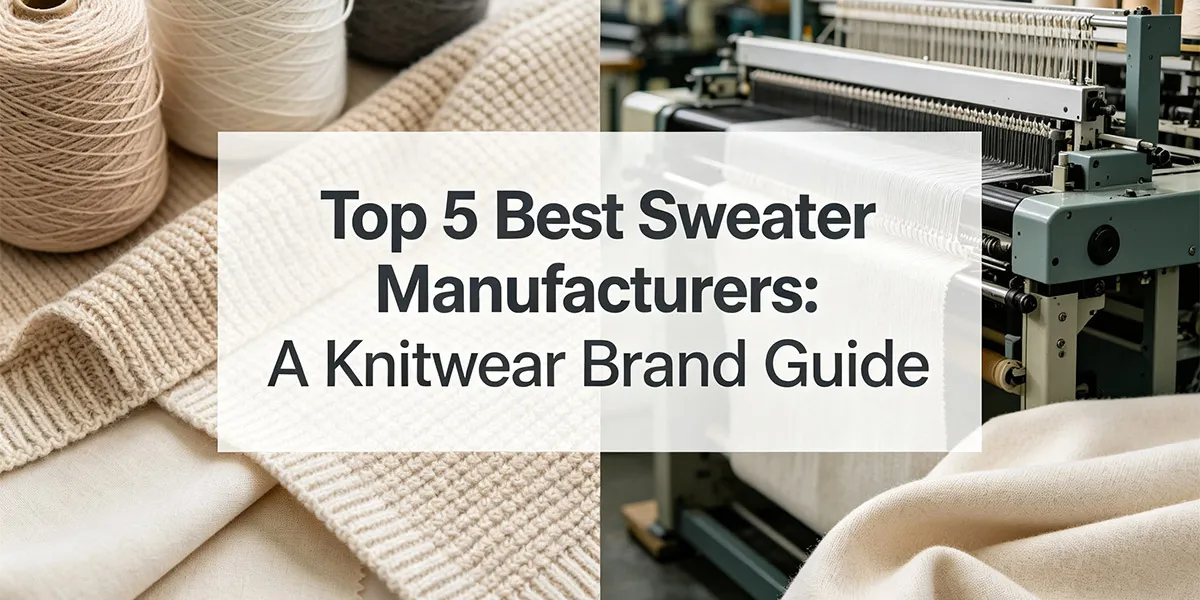
Top 5 Best Sweater Manufacturers A Knitwear Brand Guide
I’ve spent enough years in textile sourcing to know one thing: finding the right sweater manufacturer is harder than it looks. Not because there aren’t options—there are plenty. But because “best” depends entirely on your brief. Whether you need low minimums, heritage yarns, or a factory that replies before 3 a.m. your time, the choice shifts. I’ve seen good collections fail because of the wrong partner. So for this guide, I didn’t just rank names. I looked at what each mill actually does well—and where they fall short. These five houses represent different strengths: heritage craftsmanship, vertical integration, sustainable innovation, scalability, and design flexibility.Here’s who really delivers—and why. 1.ZFKnitwear(https://zfong.com) ZFknitwear is a reliable sweater manufacturer based in Guangzhou, and they’re a solid workhorse. Their 12,000‑square‑meter shop holds over 500 automated machines, so they can take on tiny sample runs or massive wholesale orders with equal ease. What I really like is they control everything in‑house—yarn buying, sampling, bulk production, quality checks, even export logistics. Fewer handoffs, fewer excuses. They're certified to the hilt: GRS, BSCI, WRAP, ISO, OEKO‑TEX—so I don't have to chase paperwork. They also understand how we work in the West—tight windows, sudden changes. I've used them for years and never missed a shipment. They're a go‑to for private label buyers too, and they've earned their spot on my shortlist for good reason. 2.JMSweater(https://jmsweater.com) JM Sweater is the tech‑savvy one. They started as a traditional factory back in 2004 but have morphed into a one‑stop OEM/ODM player with a modern 3,000‑sqm facility. They're not just about classic knits—they've carved out fun niches like matching human‑pet knitwear (yeah, it's a real category now) and eco‑friendly collections. Technically, they're one of the few shops that can handle the full gauge range from 2G to 18G, including ultra‑fine knitting—that's a genuine differentiator. They hold BSCI and OEKO‑TEX, so they're audit‑friendly. I've seen their pet line at a trade show—actually got a laugh. Many European and American brands like them for their transparency and solid standards, and I've recommended them to colleagues looking for something different. 3.Shenzhou International(https://www.shenzhouintl.com) Shenzhou International is the 800‑pound gorilla. Headquartered in Ningbo, they're fully vertical—knitting, dyeing, cutting, sewing—with plants in Vietnam and Cambodia too. With over 90,000 workers, they pump out 200,000 tonnes of knitted fabric and roughly 500 million garments a year. But what really sets them apart is their fabric R&D. They've got a 16,000‑sqm lab and over 580 patents. They actually co‑developed HEATTECH, Airism, and Flyknit with major brands. So they're not just a sweater manufacturer—they're textile engineers. And they're making real strides in sustainability, which is increasingly a non‑negotiable. Their innovation is unmatched in the mass market, and I've seen their lab firsthand—it's impressive. 4.Crystal International Group(https://www.crystalgroup.com) Crystal International started in Hong Kong back in 1970. Today, it’s a true multinational in apparel manufacturing—20+ modern factories across five countries, shipping over 470 million garments a year.They run highly automated flat-knitting lines, backed by their own “cut-and-sew sweater” technique that bridges the gap between knit comfort and tailored construction. Their eco-friendly washing processes are another differentiator—consistent, scalable, and built for today’s sustainability standards.On the factory floor, Industry 4.0 isn’t a buzzword. Real-time data, digital workflows, and smart production controls are standard. The bottom line: Crystal International isn’t just a big-volume ODM/OEM player. They’re the kind of partner global brands trust when quality, speed, and responsible manufacturing all have to come together—at scale. 5.Johnstons of Elgin(https://johnstonsofelgin.com) Johnstons of Elgin is a Scottish luxury knitwear maker founded in 1797. Renowned for its cashmere and merino wool, the company operates one of Scotland's last vertically integrated mills. Everything from dyeing to spinning to weaving is done in‑house at their Elgin factory. They use soft local river water and traditional teaseling techniques. Each product goes through about thirty production steps. The brand holds a Royal Warrant from King Charles III, and in 2024 it received the King's Award for Enterprise. It's also a certified B Corp, so sustainability is baked into its operations. Over two centuries, Johnstons of Elgin has woven together Scottish craftsmanship, family heritage, and a strong commitment to the environment. That's what makes it a respected name in premium knitwear around the globe. So, which one is right for you? That's the wrong question. The right one is: what does your brand actually need? Heritage? Scale? Niche design? Sustainability? Each of these five excels in a different arena. I've seen Johnstons charm luxury buyers, Shenzhou crush massive runs, and JM win over pet-lovers. But for the everyday brand that just needs things done right—on time, to spec, without drama—I keep coming back to the first one. It's not the oldest or the biggest, but it's the most consistent. And in my book, consistency beats flash every time. If you're still on the fence, start with a conversation. But if you ask me where to place your first bet, I'd put it on the one that's never missed a deadline for me. That's the kind of partner you build a business on.
read more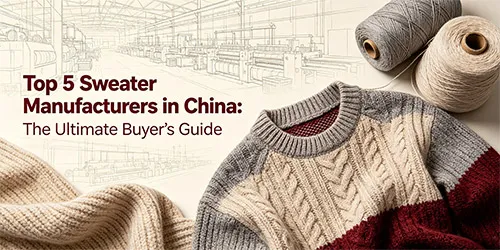
Top 5 Sweater Manufacturers in China: The Ultimate Buyer’s Guide
Look, I’ve been buying knitwear for fifteen years. Been to seventy-three factories across China. Most of them? Fine. A few are great. But only a handful deserve the title of top-tier sweater manufacturer—the kind you can trust with your holiday bestsellers and your brand name. One of those five is the one I keep coming back to. Not because they have the biggest showroom. Because their lead sampler actually calls me back—same day—with real yardage numbers, not marketing fluff. That matters when your ship window is six weeks and your designer just changed the ribbing on the cuff. Again. So here’s my take—no fluff, no factory tour photos with fake smiles. Just the names, the strengths, and the one thing each does better than anyone else. Let’s go. 1.ZFKnitwear(https://zfong.com) ZFknitwear is a reliable sweater manufacturer based in Guangzhou, and they’re a solid workhorse. Their 12,000‑square‑meter shop holds over 500 automated machines, so they can take on tiny sample runs or massive wholesale orders with equal ease. What I really like is they control everything in‑house—yarn buying, sampling, bulk production, quality checks, even export logistics. Fewer handoffs, fewer excuses. They're certified to the hilt: GRS, BSCI, WRAP, ISO, OEKO‑TEX—so I don't have to chase paperwork. They also understand how we work in the West—tight windows, sudden changes. I've used them for years and never missed a shipment. They're a go‑to for private label buyers too, and they've earned their spot on my shortlist for good reason. 2.JMSweater(https://jmsweater.com) JM Sweater is the tech‑savvy one. They started as a traditional factory back in 2004 but have morphed into a one‑stop OEM/ODM player with a modern 3,000‑sqm facility. They're not just about classic knits—they've carved out fun niches like matching human‑pet knitwear (yeah, it's a real category now) and eco‑friendly collections. Technically, they're one of the few shops that can handle the full gauge range from 2G to 18G, including ultra‑fine knitting—that's a genuine differentiator. They hold BSCI and OEKO‑TEX, so they're audit‑friendly. I've seen their pet line at a trade show—actually got a laugh. Many European and American brands like them for their transparency and solid standards, and I've recommended them to colleagues looking for something different. 3.Esquel(https://www.esquel.com) Esquel is the giant. Based in Foshan, they're vertically integrated from cotton farming to finished garments—that gives them serious control over quality and cost. They're famous for social responsibility and environmental practices, which is why big global retailers love them. Their sweet spot is medium‑to‑high gauge (7G to 14G) knitwear, and they've got WRAP, ISO, and SA8000 in their back pocket. But here's the catch: MOQs start at 2,000 pieces. So they're not for small tests—they're for large, stable programs.They also invest heavily in green tech, which helps your brand's sustainability story. They're a safe bet when you need scale without compromise. 4.Shenzhou International(https://www.shenzhouintl.com) Shenzhou International is the 800‑pound gorilla. Headquartered in Ningbo, they're fully vertical—knitting, dyeing, cutting, sewing—with plants in Vietnam and Cambodia too. With over 90,000 workers, they pump out 200,000 tonnes of knitted fabric and roughly 500 million garments a year. But what really sets them apart is their fabric R&D. They've got a 16,000‑sqm lab and over 580 patents. They actually co‑developed HEATTECH, Airism, and Flyknit with major brands. So they're not just a sweater manufacturer—they're textile engineers. And they're making real strides in sustainability, which is increasingly a non‑negotiable. Their innovation is unmatched in the mass market, and I've seen their lab firsthand—it's impressive. 5.KnitSeek(https://knitseek.com) KnitSeek is the flexible one. Based in Hangzhou, they've been around for over 20 years. Their 6,000‑sqm plant is BSCI, WRAP, and OEKO‑TEX certified—so they take compliance seriously. They cover gauges from 3G to 16G and even make knitted blankets if you need them. Their real selling point? Low MOQs—starting at 100 pieces per style—and quick turnaround of 20–25 days. That's a lifesaver for test orders or fast replenishments. They've got a great yarn network in Hangzhou, so they offer cashmere blends, combed cotton, and more. And they know the US, EU, and Australian markets inside out—they get our quality expectations. They're my first call when I need agility and reliability together. So that’s the shortlist. Five names, each with a real edge. But if you push me to pick one that never keeps me up at night? It’s ZFknitwear. Based in Guangzhou, they run a 12,000‑square‑meter shop with over 500 automated machines. That’s scale, sure—but what I actually care about is their lead time. They’ve never missed a ship date on my watch. And their sample room turns revisions around in 48 hours, not two weeks. They’ve got all the certs—GRS, BSCI, WRAP, ISO 9001, OEKO‑TEX—so compliance isn’t a checkbox headache. But the real reason I keep going back? They handle everything from yarn to logistics in‑house. Fewer handoffs, fewer excuses. When I need a reliable sweater manufacturer that actually gets the Western retail rhythm—quick decisions, tight deadlines, last‑minute changes—they just work. No drama. No surprises. That’s my honest take. You can shop around, but I’d start with them.
read more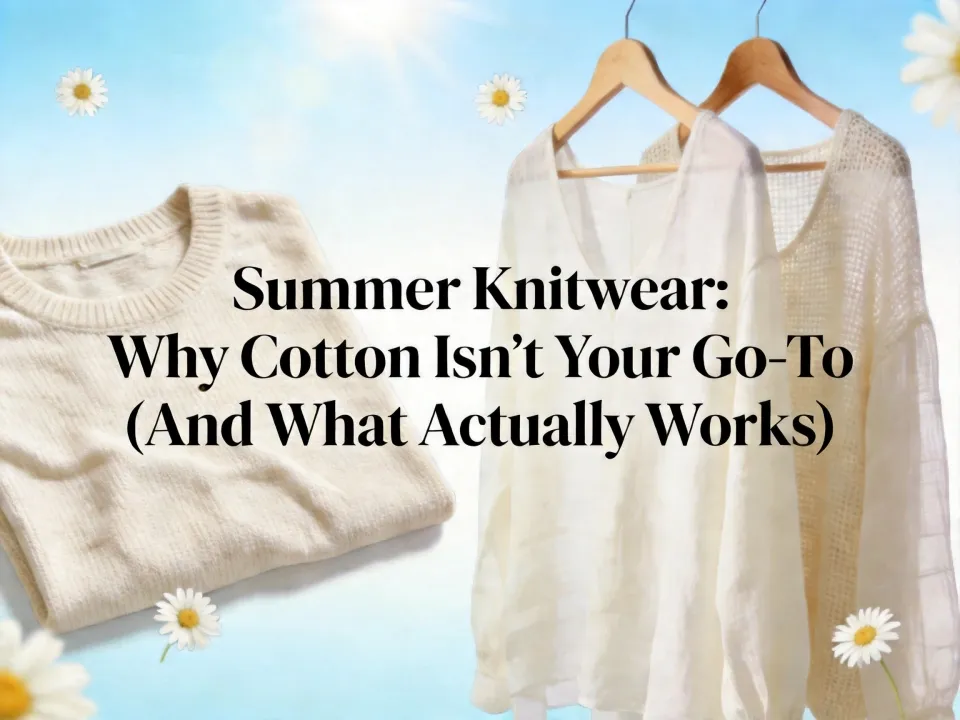
Summer Knitwear: Why Cotton Isn’t Your Go-To (And What Actually Works)
Here’s the thing—as a sweater manufacturer,I’ve sat through countless summer product post-mortems where brands bet on “100% cotton” as a safe choice. On paper, it checks out: soft, breathable, hypoallergenic. For dry days, commuting, or lazy afternoons? Cotton works. No debate. But step into humidity—a trail, hot yoga, or a July music festival—and that cozy cotton becomes a sweat-soaked sponge. Heavy, clingy, and guaranteed to leave you with a clammy chill, even in 85°F heat. That’s the “comfort trap” brands miss. Cotton soaks up 20x its weight in moisture, but can’t push sweat out. It stays wet, sticks to your skin, and defeats the point of a “summer shirt.” I once helped a small outdoor brand fix their failed cotton hiking tees by switching to a linen-cotton blend—same look, way better performance. You’d be shocked how much a simple blend changes things. Cotton isn’t evil, just misunderstood. The key is matching fabric to use case. Too many brands treat it as one-size-fits-all, and it backfires. Why cotton fails (quick science): Cotton fibers love water (hydrophilic). When their inner core (lumen) swells with sweat, it closes air channels—no evaporation. Your body sweats to cool down, but the fabric traps moisture, creating a mini sauna against your skin. Not ideal for active or humid days. The Three That Actually Work Cotton’s fine for dry, low-effort days—but not for heat and sweat. Let’s cut to the chase: here are three fabrics that actually work, plus the unspoken flaws. Linen/Cotton Blends: The sweet spot. Keeps cotton’s softness, adds linen’s airflow and thermal conductivity—no cling. Heads-up: More linen = more wrinkles (great for resorts, bad for boardrooms). Clients still ask for “wrinkle-free linen”—good luck. Mercerized Cotton: Cool to the touch, with a subtle sheen, better evaporation, and crisp feel. But it’s pricier, and dyeing needs care (test colorfastness for dark shades—brands skip this and get faded inventory). Tencel/Modal: Wood-pulp fibers with instant coolness and fast moisture-wicking. Hard to beat for drape and dryness. Catch: Low-weight Tencel pills after washes. Fix: Blend with cotton/polyester, wash cold inside out on gentle. The real game-changer? Knitting, not just fiber. I’ve seen great fabrics ruined by cheap construction—and basic fibers made amazing by skilled knitting. 18-gauge (18GG) knitting uses fine needles for lightweight, shape-holding fabric with tiny micro-vents. This detail separates good knits from great ones. Add stitch engineering (pointelle, mesh), and you build airflow into the fabric—active cooling, not passive. It’s a small tweak with big impact. I visited a factory in Hangzhou that’s made 18GG for years but never marketed it. Their owner thought “everyone knew”—most buyers don’t. I always ask suppliers: What’s your GG and stitch pattern? It weeds out amateurs fast. 2026 trend: Sustainability isn’t a tagline. Brands want GRS-certified recycled fibers that perform—recycled polyester that wicks, recycled cotton that feels natural. No more greenwashing; retail partners and customers demand real results. Blend recycled and virgin fibers for the right feel, durability, and drying time. If you’re planning 2026 summer lines, get those certifications now—you’ll get passed over without them. For small brands: Low MOQ doesn’t mean low quality. Don’t order 5,000 untested units—I’ve seen brands crash and burn that way. My advice: Sample first, scale later. Test blends and 18GG knits—wash 5x, check pilling and color. It’s cheaper than unsellable inventory. The Takeaway: No “best” summer fabric—cotton works for dry days. For humidity/sweat, go linen-cotton, mercerized cotton, or Tencel blends. Construction matters as much as fiber—18GG and stitch engineering make good fabrics great. Your summer line should be a solution, not a compromise. Pick the right partner, test details, and win the season. Cut corners, and you’ll be back for another post-mortem. Want hard data? Grab our 2026 Summer Knitwear Technical White Paper—18GG specs, GRS data, wash-test comparisons. No fluff. Got a fabric challenge? Our engineering team can help—pilling grades, laundering, custom development. Straight answers, no jargon. Let’s build a summer collection that’s cool, dry, and ready for anything. Your customers deserve better than a wet paper bag.
read more
Custom Knitwear Production
.webp)
.webp)
Get in Touch
Phone
+86 134 5027 6998E-mai
[email protected]Address
NO. 27, Guangxing Road, Nansha District, Guangzhou City, China